
Our 6 Strategic
Programmatic Pillars
The Progressive Women's Movement of South Africa anchors all policy, grassroots campaigns, and institutional interventions around six interconnected pillars. These focus areas address the root causes of gender inequality, poverty, and violence.
Measurable Targets
Each pillar operates under direct mandate from the PWMSA National Steering Committee, driving monitored outcomes with grassroots tracking across all 9 provinces.
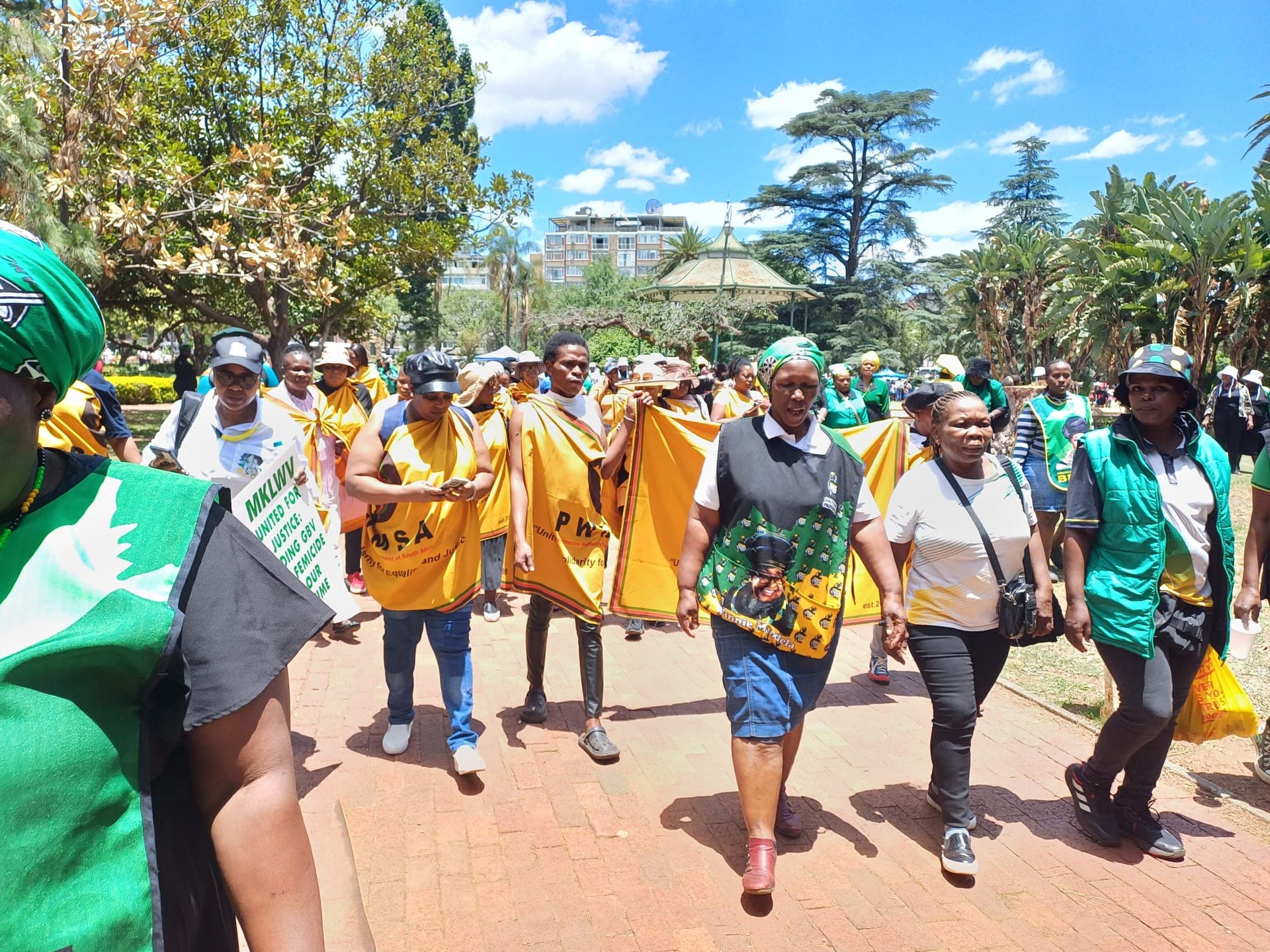
Ending Impunity, Supporting Survivors & Transforming Culture
Eradication of GBV and Femicide
South Africa confronts an endemic crisis of Gender-Based Violence and Femicide (GBVF). PWMSA treats GBVF not as an isolated criminal matter, but as an acute national crisis requiring uncompromising legislative enforcement, rapid judicial processing, survivor trauma healing, and community-led preventative intervention.
Key Strategic Interventions:
- Establish and resource community-based rapid response teams in high-incident police precincts across all 9 provinces.
- Monitor criminal justice outcomes and eliminate unreasonable delays in sexual assault and domestic violence court rolls.
- Expand accessible shelters, interim safe houses, and psychosocial trauma counseling for women and children in peri-urban and rural areas.
- Mandate gender-sensitisation training for South African Police Service (SAPS) frontline officers and healthcare personnel.
- Conduct school and community educational drives targeting young boys and men to dismantle patriarchal entitlement and abusive norms.
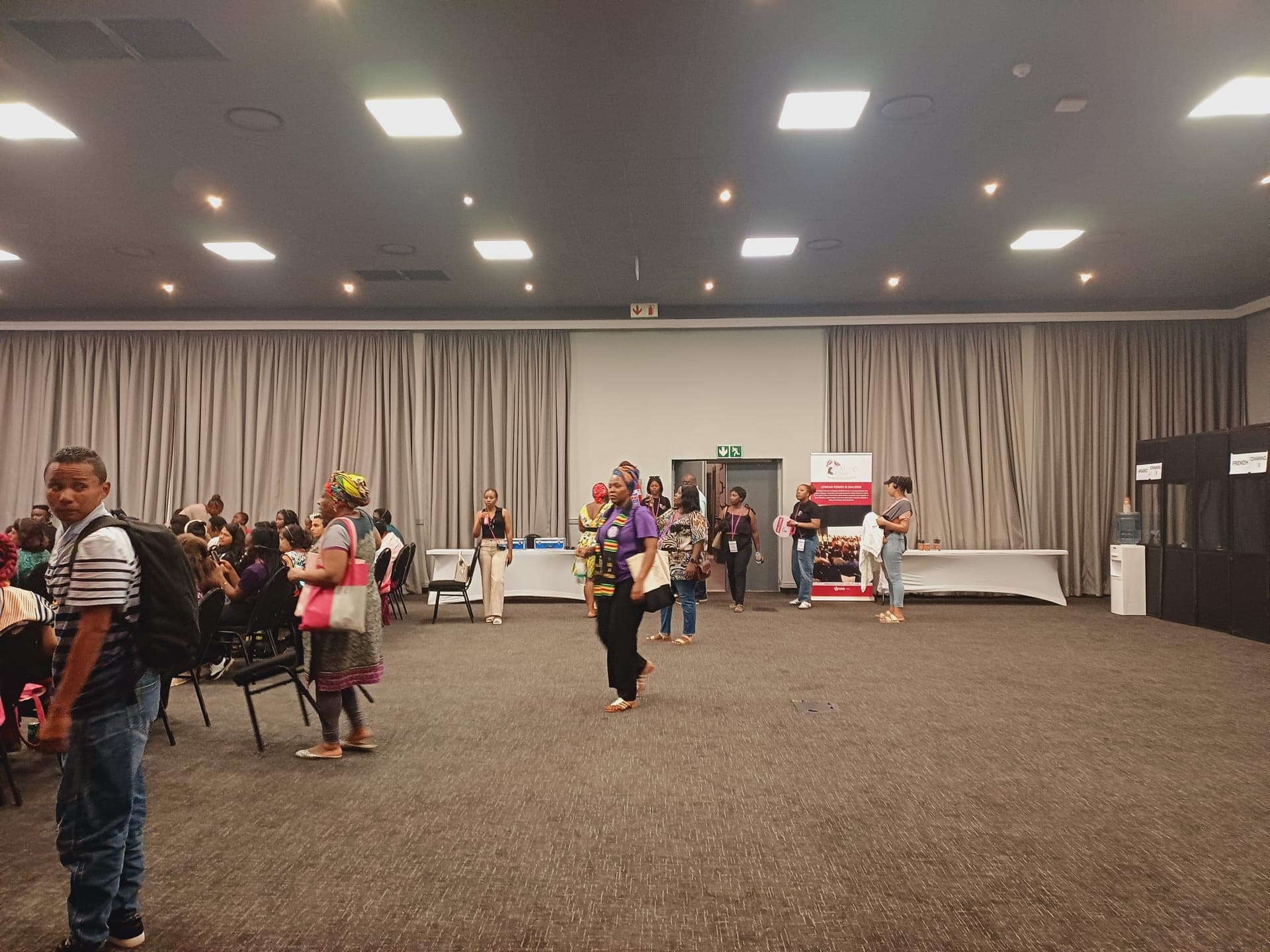
Financial Sovereignty, Equal Pay & Sustainable Livelihoods
Economic Empowerment & Enterprise
True liberation is impossible without economic freedom. PWMSA dismantles systemic economic barriers by advocating for women's ownership of land, direct inclusion in supply chains, access to debt-free capital, cooperative development, and the strict enforcement of equal pay for equal work.
Key Strategic Interventions:
- Accelerate the rollout of the PWMSA Women's Enterprise Incubator in Mpumalanga, Free State, and Limpopo.
- Lobby government departments and state-owned enterprises to fulfill the 40% preferential procurement mandate for women-owned enterprises.
- Facilitate partnerships with development finance institutions (DFIs) to provide accessible micro-loans and blended enterprise grants.
- Establish rural women's agro-processing cooperatives, providing collective cold-storage, transport, and formal retail market linkages.
- Eliminate the pervasive gender pay gap across both public sector scales and private corporate industries through transparent reporting.
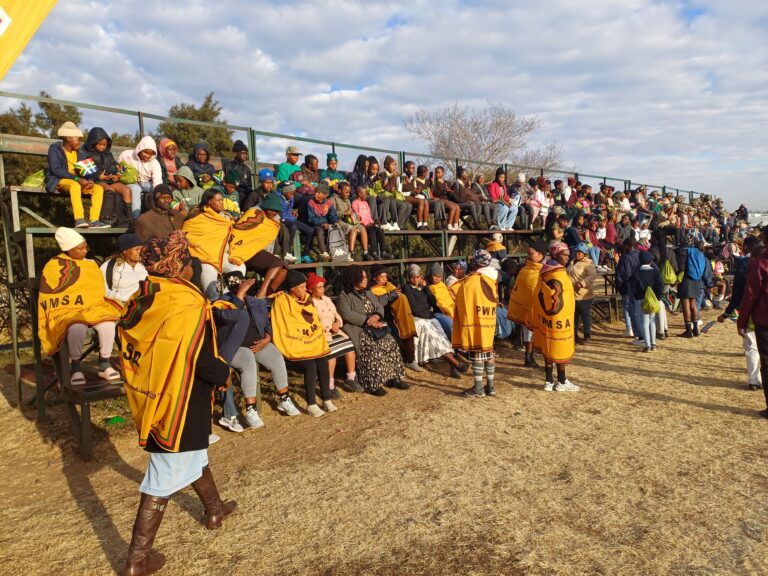
Equal Governance, Mentorship & Institutional Parity
Political Participation & Leadership
Women constitute more than 51% of South Africa's population, yet remain underrepresented in key economic and political executive positions. PWMSA actively mentors women for political office, civic governance, judicial appointments, and trade union leadership.
Key Strategic Interventions:
- Campaign for enforceable statutory 50/50 gender quotas on all political party electoral candidate lists for local and national elections.
- Conduct structured political academies preparing young and emerging female leaders for executive governance and parliamentary oversight.
- Establish non-partisan Women Parliamentary Caucuses at provincial legislature and national assembly levels.
- Monitor municipal budgeting processes to ensure public expenditures reflect gender-responsive resource allocations.
- Elevate the voices of working-class and rural women in legislative public hearings and constitutional reviews.
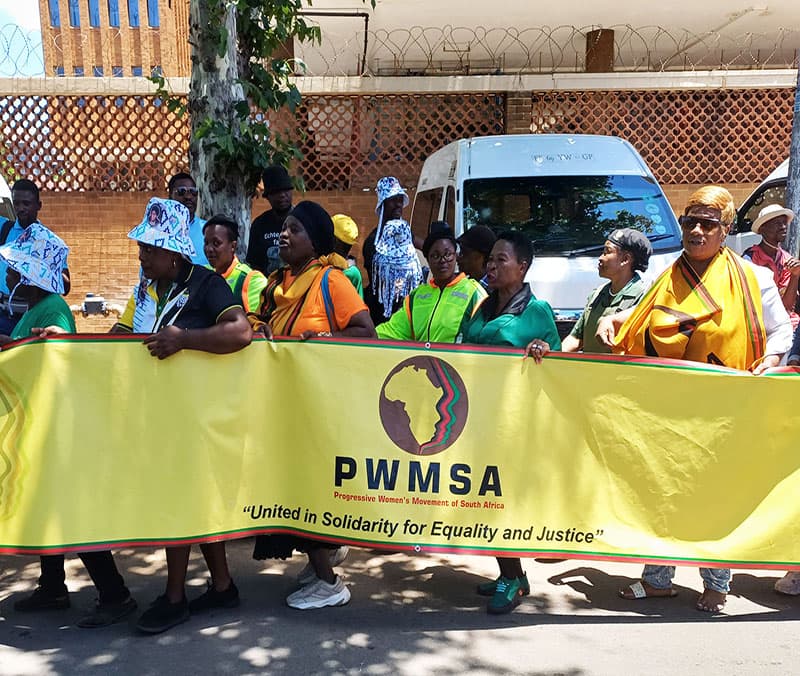
Universal Healthcare, Dignity & Bodily Autonomy
Healthcare, Maternal Well-Being & Reproductive Rights
Bodily autonomy and healthcare dignity are fundamental constitutional rights. PWMSA advocates for quality, dignified maternal care in public clinics, comprehensive sexual and reproductive healthcare services, universal sanitary dignity for schoolgirls, and comprehensive mental health support for trauma survivors.
Key Strategic Interventions:
- Ensure free, dignified sanitary product distribution across all quintile 1 to 3 public schools to eradicate menstrual absenteeism.
- Audit rural maternal health wards and clinics to eliminate obstetric mistreatment and reduce preventable maternal mortality.
- Expand non-judgmental reproductive healthcare and family planning services in primary healthcare facilities.
- Integrate trauma-informed psychosocial counseling into district clinic networks for victims of domestic and gender violence.
- Champion the gender-responsive implementation of the National Health Insurance (NHI) framework.
Bridging the Digital Divide & Unleashing Youth Potential
Education, STEM & Next-Generation Skills
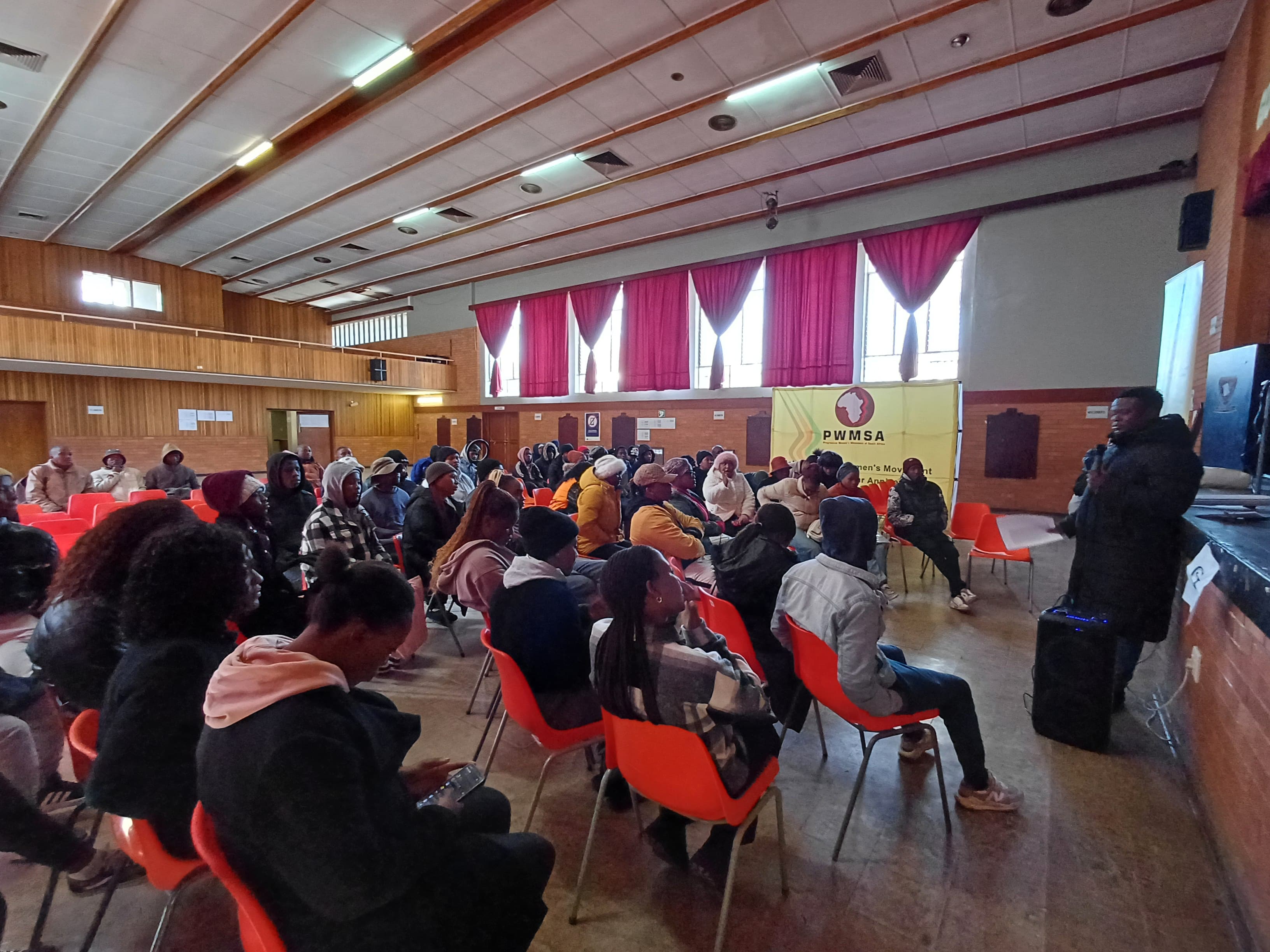
Young women face disproportionate hurdles in educational retention and entry into future-oriented technology and scientific careers. PWMSA drives initiatives to support girls in Science, Technology, Engineering, and Mathematics (STEM), alongside second-chance adult literacy programmes.
Key Strategic Interventions:
- Establish regional STEM and coding clubs for young girls in township and rural secondary schools.
- Secure corporate and philanthropic bursary allocations specifically reserved for women pursuing STEM and critical-skills degrees.
- Provide second-chance education and adult matriculation support for young mothers and women who dropped out of formal schooling.
- Equip youth with practical digital literacy, online trade, and coding competencies to participate in the modern knowledge economy.
- Offer structured internship and apprenticeship placements through PWMSA's corporate partner network.
Eco-Feminism, Sustainable Land Access & Clean Communities
Climate Justice, Environment & Food Sovereignty
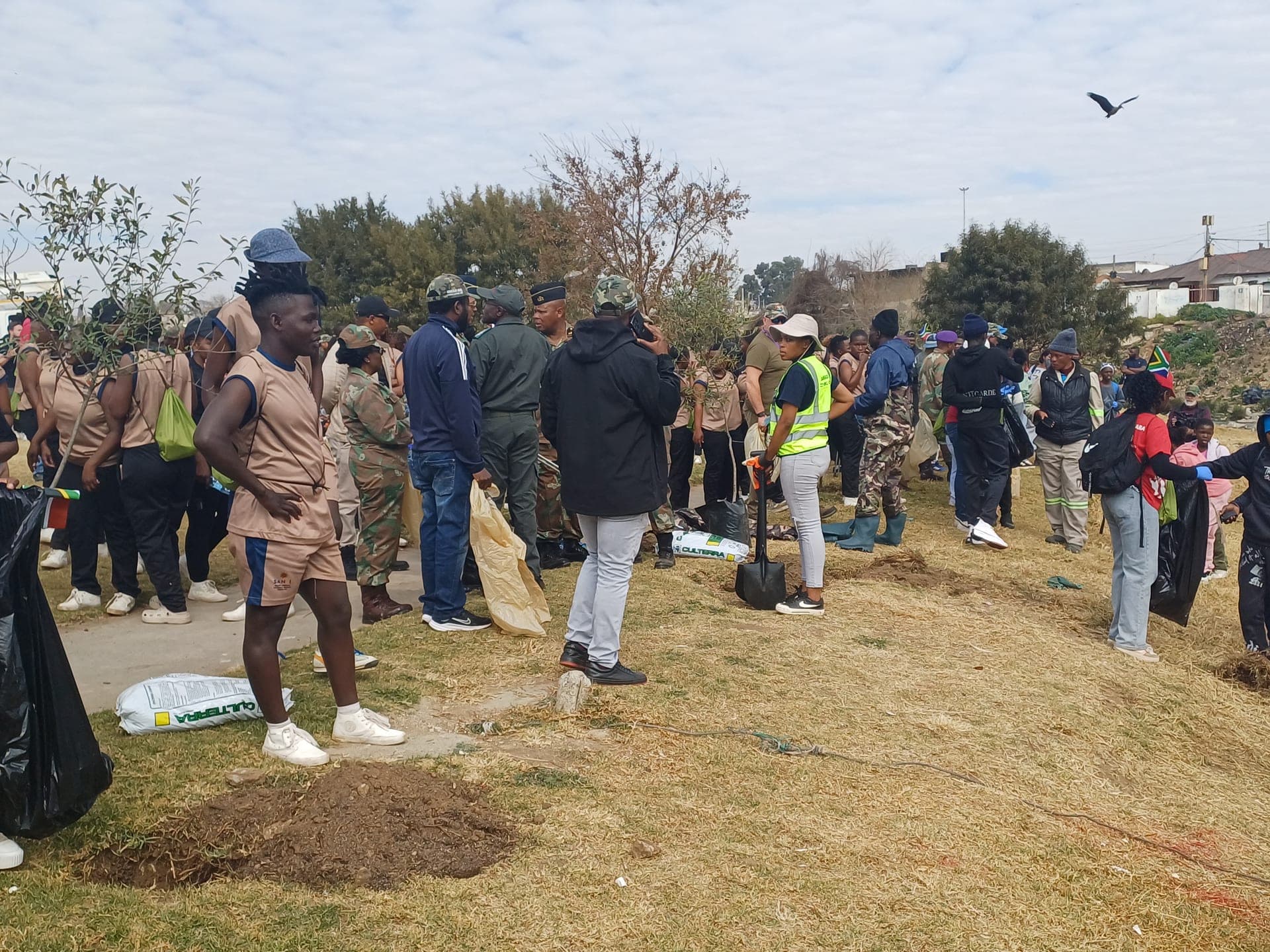
Climate change and environmental degradation disproportionately impact women, particularly subsistence farmers and informal settlement dwellers. PWMSA mobilises women as frontline ecological stewards, championing clean water sources, renewable energy access, and climate resilience.
Key Strategic Interventions:
- Mobilise community-led river clean-up and environmental restoration drives, such as the flagship Alexander Jukskei River initiative.
- Advocate for land redistribution programmes that prioritise title deeds and agricultural tenure for women smallholder farmers.
- Promote climate-smart agro-ecology techniques, organic household food gardens, and local seed-sharing banks.
- Demand gender-sensitive disaster management plans in flood-prone and drought-stricken informal settlements.
- Ensure women's representation in national just energy transition policy consultations and green economy investments.
Support a Specific Pillar of Intervention
Whether your corporate social investment aligns with enterprise development, girls in STEM, or survivor protection, PWMSA provides structured, audited partnership conduits.